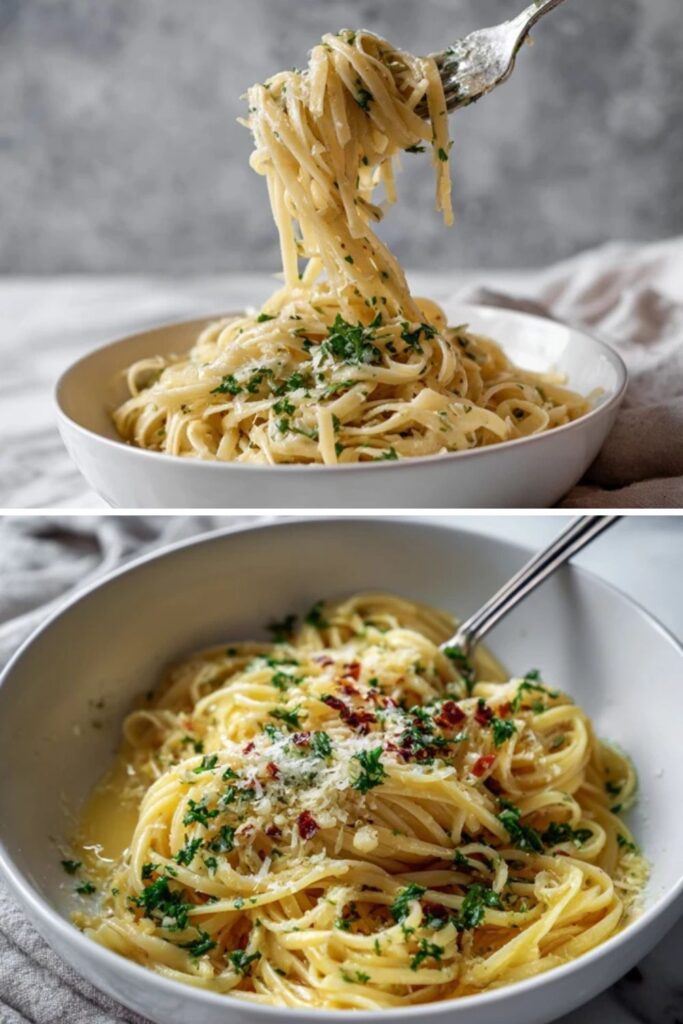
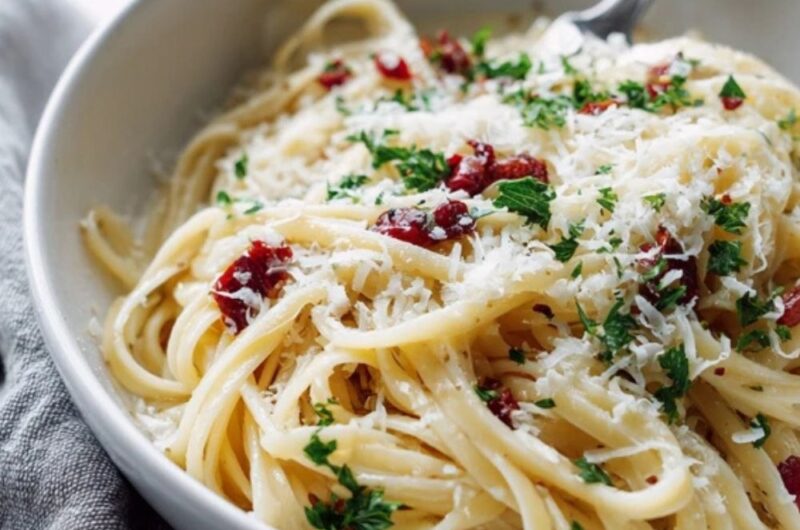
Italian Pasta in White Wine Sauce is a Mediterranean vegetarian main featuring linguine tossed in a bright, buttery emulsion. This classic dish uses dry white wine, garlic, and fresh parsley to create a light yet satisfying meal.
The first time I made this, I poured the wine in too late and didn’t let it simmer enough. Now I always let the liquid reduce by half before adding the pasta to make sure the raw alcohol sharpens into a mellow, fruity flavour. If you skip this reduction, the sauce stays thin and tastes harsh.
Fresh lemon juice is doing more work than you’d think here. Without it, the butter and oil can feel heavy on the tongue rather than light and zesty. I usually make this on Friday nights when I want something that feels fancy but only takes fifteen minutes to put together.
Jump to Recipe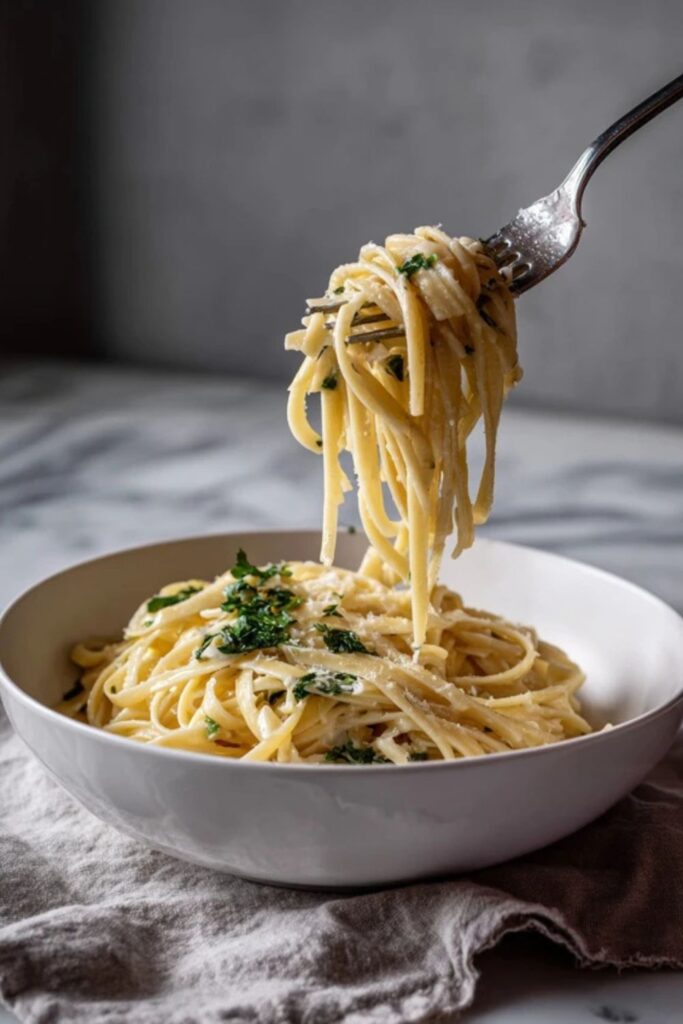
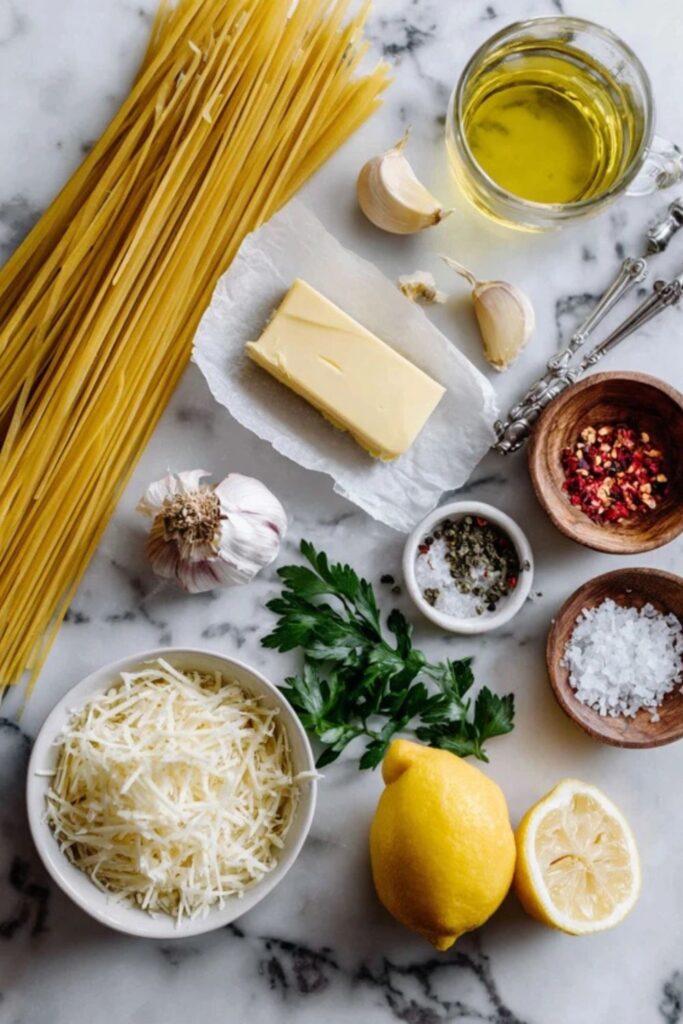
Italian Pasta in White Wine Sauce Ingredients
- 400g (14oz) dried linguine or spaghetti
- 45g (1.5oz) unsalted butter
- 2 tbsp olive oil
- 4 cloves garlic, peeled and thinly sliced
- 150ml (5fl oz) dry white wine, such as Pinot Grigio
- 1/2 tsp dried chilli flakes
- 1 lemon, juiced
- 50g (2oz) vegetarian hard cheese or Parmesan, finely grated
- 1 small bunch fresh flat-leaf parsley, finely chopped
- Salt and black pepper, to taste
How To Make Italian Pasta in White Wine Sauce
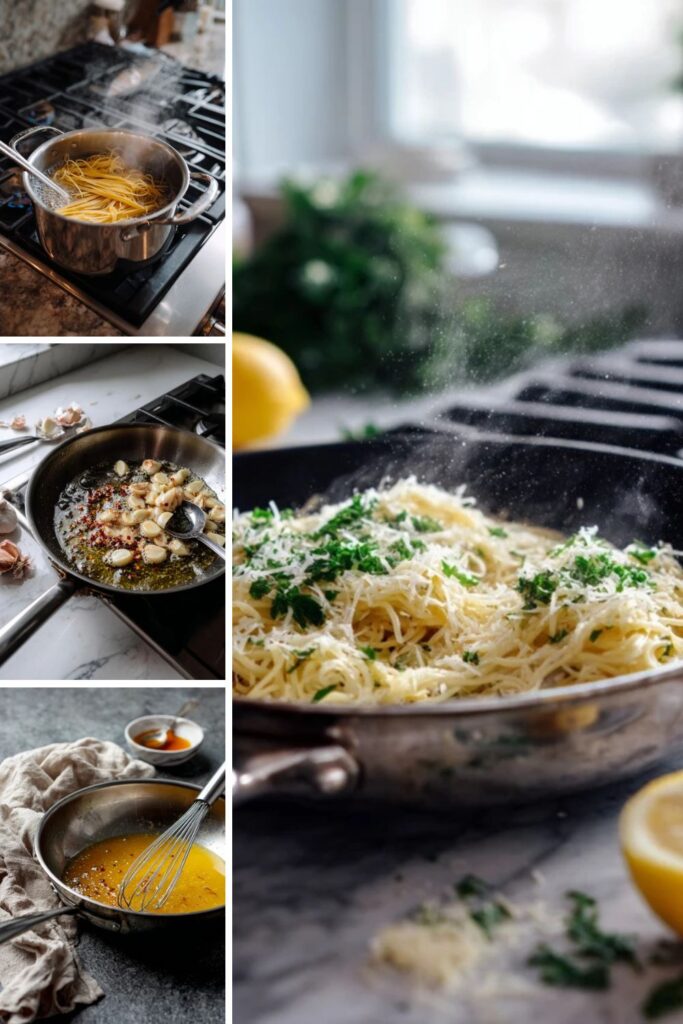
- Boil the pasta: Fill a large pot with water, add a generous pinch of salt, and bring it to a rolling boil over high heat. Add the linguine and cook for 8 to 10 minutes or until it’s cooked but still firm.
- Sauté the garlic: While the water boils, place a large frying pan over medium heat and add the olive oil and butter. Once the butter foam subsides, add the sliced garlic and chilli flakes, cooking for 1 to 2 minutes until the garlic is soft and smells fragrant without turning brown.
- Reduce the wine: Pour the white wine into the frying pan and turn the heat up to medium-high. Let the liquid simmer for 3 to 5 minutes until it has reduced by about half and the sharp smell of alcohol has disappeared.
- Combine the sauce: Lower the heat to medium and stir in the lemon juice. Ladle about 60ml (2fl oz) of the starchy pasta water from the pot into the frying pan and whisk it into the wine and butter until the liquid looks slightly thickened and glossy.
- Toss the pasta: Use tongs to move the cooked pasta directly from the water into the frying pan. Toss the strands constantly for 1 minute so the sauce coats every piece of pasta.
- Finish the dish: Take the pan off the heat and stir in the grated cheese and chopped parsley. Mix well until the cheese has melted into the sauce and season with salt and pepper to taste before serving.
Recipe Tips
- Choose a dry wine. Use a crisp white like Pinot Grigio or Sauvignon Blanc rather than anything sweet or oaky. This ensures the sauce has the right acidity to cut through the butter.
- Save your pasta water. Always scoop out a cup of the boiling water before you drain the pasta. The starch in that water is what turns the oil and wine into a silky sauce that actually sticks to the noodles.
- Don’t brown the garlic. Keep the heat at medium when you first add the garlic to the pan. If the slices turn brown or burnt, the entire sauce will taste bitter and you’ll have to start over.
- Prepare ahead of time. You can chop the parsley and slice the garlic a few hours in advance, but do not cook the pasta until you are ready to eat. Reheated pasta loses the firm texture that makes this dish work.
- Use a vegetarian alternative. If you’re cooking for strict vegetarians, check the label on your hard cheese. Traditional Parmesan uses animal rennet, so look for a “V” mark on the packaging.
- Warm your bowls. Pouring this light sauce into cold bowls will make the butter seize up quickly. Set your serving bowls on top of the pasta pot while it boils to take the chill off them.
What To Serve With Italian Pasta in White Wine Sauce
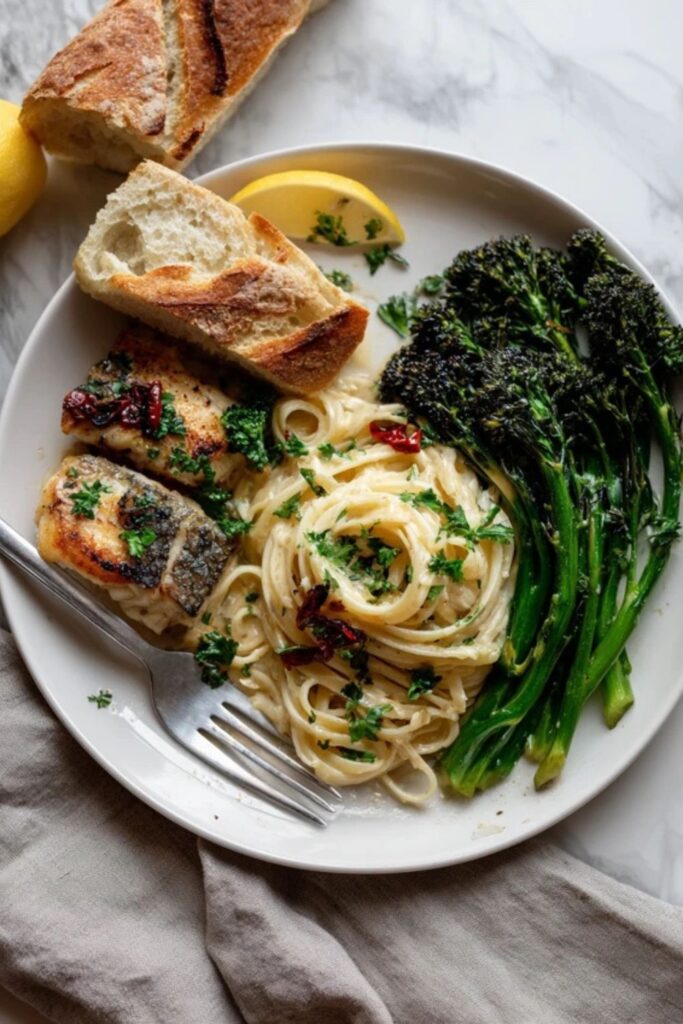
This pasta is light enough that it pairs brilliantly with a side of charred tenderstem broccoli or a crisp rocket salad. I find that a few thick slices of crusty ciabatta are essential for mopping up the leftover garlic butter at the bottom of the plate.
If you want a bit more protein, you could serve this alongside some grilled prawns or a piece of pan-fried sea bass. The citrus notes in the sauce complement white fish and seafood without overpowering them.
How To Store Italian Pasta in White Wine Sauce
Fridge
Place any leftovers in an airtight container once they have cooled completely. Store them in the fridge for up to two days, though the pasta will continue to soak up the sauce as it sits.
Reheat
The best way to reheat this is in a frying pan over medium heat with a splash of water or extra wine to loosen the sauce. You can use a microwave for 2 minutes, but the pasta might become soft and lose its firm bite.
Freeze
I do not recommend freezing this dish as the emulsion will break and the pasta will become mushy when thawed. It is much better to make a fresh batch which only takes fifteen minutes.
Italian Pasta in White Wine Sauce Nutrition Facts
Per serving (1 of 4):
- Calories: 540
- Protein: 14g
- Fat: 18g
- Carbohydrates: 76g
- Sugar: 3g
- Sodium: 320mg.
FAQs
What can I use instead of white wine in this recipe?
If you want to avoid alcohol, use an equal amount of high-quality vegetable stock mixed with an extra tablespoon of lemon juice. This provides the liquid and acidity needed for the Italian Pasta in White Wine Sauce without the wine.
Can I use a different type of pasta?
Yes, you can use any long pasta like fettuccine or even short shapes like fusilli, though long strands are traditional for this sauce. Make sure you cook whatever shape you choose until it is firm to the bite.
Is Italian Pasta in White Wine Sauce suitable for vegans?
No, this version uses butter and cheese, but you can make it vegan by using a plant-based butter alternative and skipping the cheese. The olive oil and wine will still create a flavorful base for the dish.
How do I stop the sauce from being watery?
Make sure you reduce the wine by half before adding the pasta water. The combination of the reduced wine, fat from the butter, and starch from the pasta water is what creates a thick, glossy coating.
Can I add vegetables to this pasta?
Yes, you can stir in some frozen peas or baby spinach during the final minute of cooking. The heat from the pasta will be enough to defrost the peas or wilt the spinach without needing an extra pan.
Try More Recipes:
Italian Pasta in White Wine Sauce Recipe
Course: Italian Pasta RecipesCuisine: Italian4
servings5
minutes15
minutes540
kcalItalian Pasta in White Wine Sauce is a Mediterranean vegetarian main featuring linguine tossed in a bright, buttery emulsion. This classic dish uses dry white wine, garlic, and fresh parsley to create a light yet satisfying meal.
Ingredients
400g (14oz) dried linguine or spaghetti
45g (1.5oz) unsalted butter
2 tbsp olive oil
4 cloves garlic, peeled and thinly sliced
150ml (5fl oz) dry white wine, such as Pinot Grigio
1/2 tsp dried chilli flakes
1 lemon, juiced
50g (2oz) vegetarian hard cheese or Parmesan, finely grated
1 small bunch fresh flat-leaf parsley, finely chopped
Salt and black pepper, to taste
Directions
- Boil the pasta: Fill a large pot with water, add a generous pinch of salt, and bring it to a rolling boil over high heat. Add the linguine and cook for 8 to 10 minutes or until it’s cooked but still firm.
- Sauté the garlic: While the water boils, place a large frying pan over medium heat and add the olive oil and butter. Once the butter foam subsides, add the sliced garlic and chilli flakes, cooking for 1 to 2 minutes until the garlic is soft and smells fragrant without turning brown.
- Reduce the wine: Pour the white wine into the frying pan and turn the heat up to medium-high. Let the liquid simmer for 3 to 5 minutes until it has reduced by about half and the sharp smell of alcohol has disappeared.
- Combine the sauce: Lower the heat to medium and stir in the lemon juice. Ladle about 60ml (2fl oz) of the starchy pasta water from the pot into the frying pan and whisk it into the wine and butter until the liquid looks slightly thickened and glossy.
- Toss the pasta: Use tongs to move the cooked pasta directly from the water into the frying pan. Toss the strands constantly for 1 minute so the sauce coats every piece of pasta.
- Finish the dish: Take the pan off the heat and stir in the grated cheese and chopped parsley. Mix well until the cheese has melted into the sauce and season with salt and pepper to taste before serving.