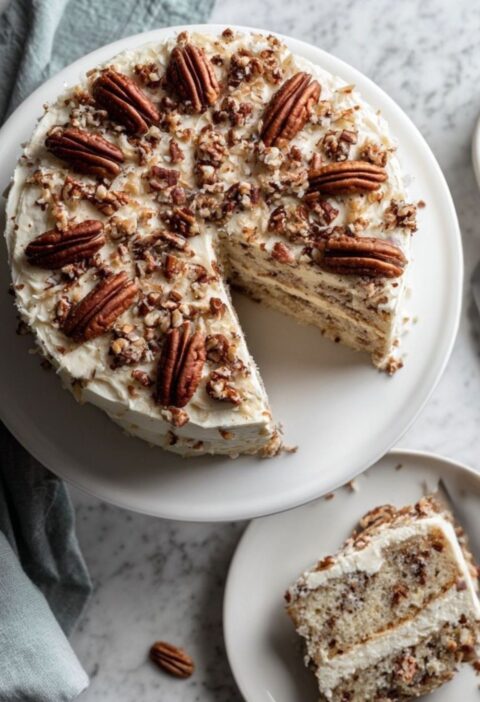
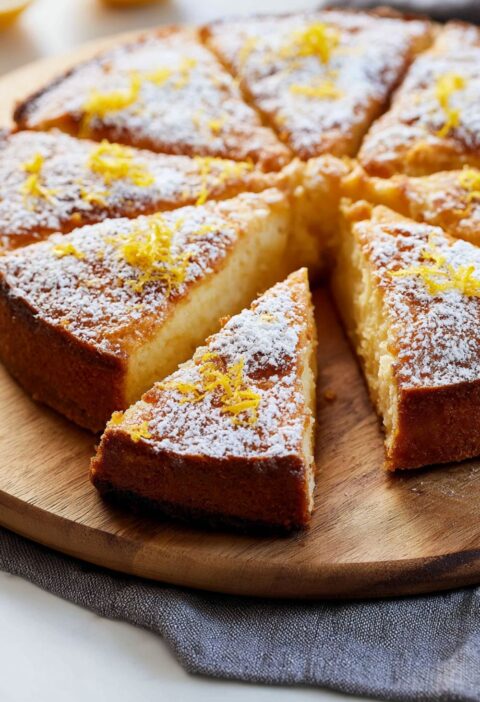
This light, airy Italian Sponge Cake is made with just three key ingredients and ready in about 50 minutes. The batter transforms into a pale, thick ribbon that holds its shape on the surface, ensuring a perfect rise without any chemicals. I rely on this classic recipe as the foolproof base for everything from tiramisu to birthday layer cakes.
The Secret To Getting It Right
I learned the hard way that this cake relies entirely on mechanical leavening, meaning there is no baking powder to save you if you rush. The first time I made Pan di Spagna, I didn’t whip the eggs long enough, and the cake came out dense and rubbery. You have to be patient and let the mixer run until the eggs triple in volume and turn nearly white.
Another surprise was how delicate the folding process is. You can’t just stir the flour in; you have to gently fold it by hand to keep all that trapped air inside. If you see white streaks of flour or deflate the batter, the sponge won’t rise evenly, so a gentle hand is absolutely essential.
Italian Sponge Cake Ingredients
- 4 Large Eggs: They must be at room temperature to whip to maximum volume.
- 120g Granulated Sugar: Superfine sugar works best if you have it, but standard granulated is fine.
- 120g Cake Flour: If you don’t have cake flour, use 60g all-purpose flour mixed with 60g cornstarch (cornflour) or potato starch.
- 1 tsp Vanilla Extract: For classic aroma.
- 1 Lemon (Zest only): Optional, but authentic for Italian desserts.
- Pinch of Salt: Balances the sweetness.

How To Make Italian Sponge Cake
- Prep The Pan: Preheat your oven to 340°F (170°C). Grease an 8-inch (20cm) round cake pan with butter and flour, or line the bottom with parchment paper. Do not grease the sides if you want the cake to climb higher, though greasing is safer for beginners.
- Whip The Eggs: Place the room-temperature eggs, sugar, and vanilla in a stand mixer bowl. Beat on medium-high speed for a full 15 to 20 minutes. The mixture is ready when it is pale, tripled in volume, and reaches the “ribbon stage”—meaning if you lift the whisk, the batter falls back in a ribbon that sits on the surface for a few seconds before sinking.
- Sift Dry Ingredients: While the eggs are beating, sift the flour (and starch if using) and salt together twice. This aerates the flour and prevents lumps from sinking to the bottom of the batter.
- Fold Gently: Sift the flour mixture over the egg foam in three separate batches. Use a spatula to gently fold from the bottom up, cutting through the center and turning the bowl. Do not overmix or you will deflate the air bubbles.
- Bake: Pour the batter gently into the prepared pan; do not bang the pan on the counter. Bake for 25–30 minutes. Do not open the oven door for the first 20 minutes, or the cake may collapse.
- Cool Down: Test with a toothpick; if it comes out clean, turn off the oven. Leave the oven door slightly ajar with the cake inside for 5 minutes to prevent thermal shock. Remove and let cool completely on a wire rack.

Recipe Tips
- Temperature Matters: Cold eggs will not whip up to the necessary volume. If your eggs are cold, submerge them in a bowl of warm water for 10 minutes before cracking.
- The Ribbon Test: Never stop beating until you see the “ribbon.” If the batter sinks immediately when drizzled, it needs more air.
- Don’t Bang the Pan: Unlike other cakes where you tap the pan to release air bubbles, here you want to keep every single bubble intact.
- Sifting is Key: Sifting the flour twice ensures it is light enough to sit on top of the egg foam rather than sinking straight to the bottom like a stone.
What To Serve With Pan di Spagna
This sponge is quite dry on its own and is designed to be soaked. Brush it generously with a syrup made from water, sugar, and rum (or Limoncello) before serving. It is traditionally split into layers and filled with Crema Pasticcera (pastry cream) and fresh strawberries or chocolate chips.

How To Store
Wrap the completely cooled cake tightly in plastic wrap to keep it from drying out further. It stays fresh at room temperature for up to 3 days. For longer storage, freeze the wrapped cake for up to 1 month; thaw at room temperature before soaking and filling.
FAQs
Why did my sponge cake collapse in the middle?
This usually happens if the oven door was opened too early during baking or if the cake was removed too quickly, causing “thermal shock.” It can also result from under-whipping the eggs.
Can I add baking powder?
Traditional Pan di Spagna uses no chemical leaveners, but if you are nervous, you can add 1/2 teaspoon of baking powder with the flour as insurance.
Why is my cake rubbery?
A rubbery texture typically means the batter was overmixed after adding the flour, which developed the gluten too much. Fold gently just until the flour disappears.
Nutrition
- Calories: 150 kcal
- Total Fat: 2.5g
- Saturated Fat: 0.8g
- Cholesterol: 93mg
- Sodium: 45mg
- Total Carbohydrate: 27g
- Protein: 4.5g
Try More Recipes:
- Italian Chocolate Cake (Torta Caprese)
- Strawberry Italian Cream Pound Cake Recipe
- Italian Carrot Cake Recipe (Torta Camilla)

Italian Sponge Cake
8
servings20
minutes30
minutes50
minutesItalian Sponge Cake is a light, airy base for many desserts, made with just eggs, sugar, and flour. Ready in 50 minutes, this classic "Pan di Spagna" relies on whipped eggs for its fluffy texture—perfect for soaking and layering.
Ingredients
4 Large Eggs (room temperature)
120g Granulated Sugar
120g Cake Flour (or 60g All-Purpose Flour + 60g Cornstarch)
1 tsp Vanilla Extract
1 Lemon (Zest only, optional)
Pinch of Salt
Directions
- Prep The Pan: Preheat oven to 340°F (170°C). Grease and flour an 8-inch round pan.
- Whip The Eggs: Beat eggs, sugar, and vanilla on high speed for 15-20 minutes until pale and tripled in volume (ribbon stage).
- Sift Dry Ingredients: Sift flour and salt twice.
- Fold Gently: Fold flour into the egg mixture in three batches using a spatula. Be careful not to deflate the batter.
- Bake: Pour into pan and bake for 25-30 minutes. Do not open the oven door early.
- Cool Down: Turn off oven, open door slightly, and let sit for 5 minutes before removing to a rack.