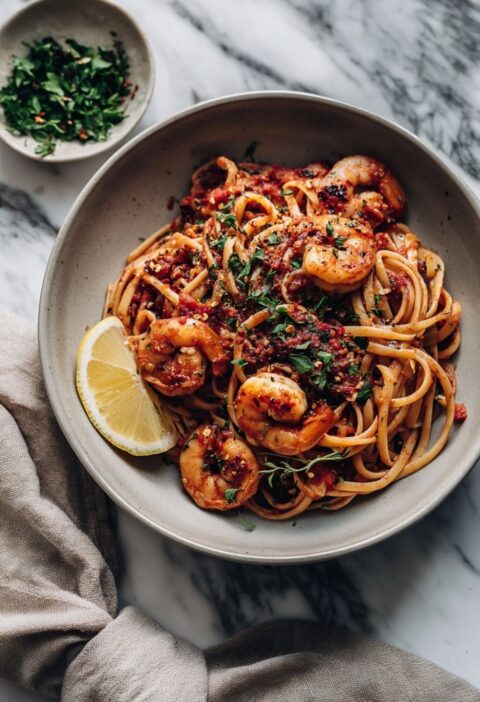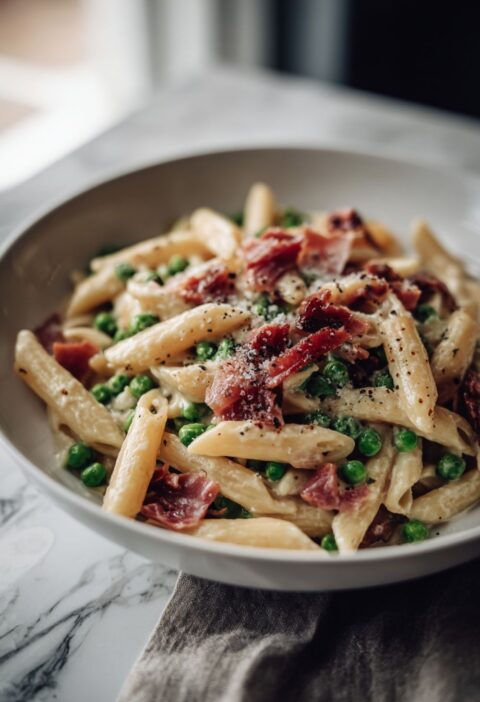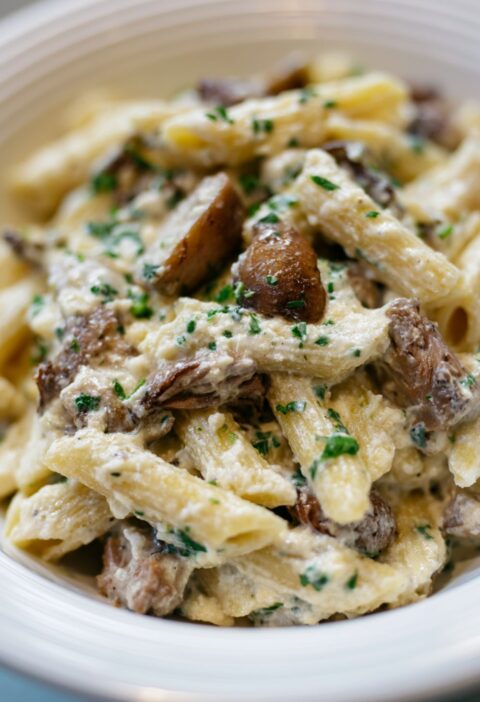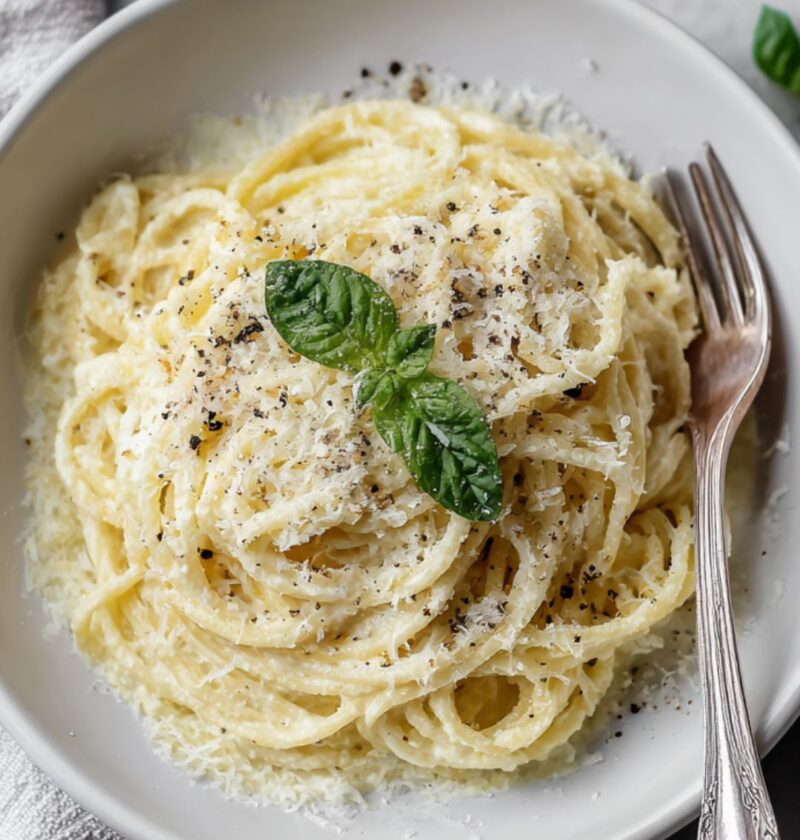
This Creamy Italian Ricotta Spaghetti is exactly that kind of meal—a dish that looks like it took hours of careful simmering, yet comes together in the time it takes to boil water. Whether you are hosting an impromptu gathering with friends or simply craving a deeply comforting plate of carbs after a long day, this recipe is guaranteed to become a permanent fixture in your weekly dinner rotation.
Try More Pasta Recipes:
- Italian Pasta with Zucchini Recipe
- Italian Pasta Puttanesca Recipe
- Italian Pasta with Broccoli Recipe
Why You Will Love This Ialian Ricotta Spaghetti Recipe:
- It Transforms Simple Pantry Staples: This recipe relies on the quiet luxury of high-quality, everyday ingredients. The magic happens when fresh, creamy ricotta cheese blends with starchy, salty pasta water to create a luscious, velvety sauce—meaning there is no need for heavy cream or a complicated roux base.
- Lightning-Fast 20-Minute Cook Time: Because this sauce requires zero actual cooking time and comes together entirely off the heat using just a whisk and a mixing bowl, this entire meal is ready the very second your spaghetti hits that perfect al dente bite.
- It Is practically Foolproof: Whether you are an experienced home chef or a beginner, this method is incredibly forgiving and serves as the ultimate, stress-free solution for busy weeknights when you refuse to compromise on flavor.
- A Perfectly Imperfect, Versatile Canvas: This recipe embraces a beautifully rustic, unfussy approach to cooking. While it is vegetarian-friendly as written, you can easily fold in handfuls of fresh spinach, toss in leftover grilled chicken, or serve it alongside crusty garlic bread for a meal that feels effortlessly authentic and meant to be enjoyed.

Italian Ricotta Spaghetti Ingredients
- Spaghetti: 1 pound (16 oz) dried spaghetti (or your favorite long pasta).
- Ricotta Cheese: 1 ½ cups whole milk ricotta cheese (fresh, high-quality ricotta makes a huge difference).
- Parmesan Cheese: ½ cup freshly grated Parmigiano-Reggiano, plus more for garnish.
- Olive Oil: 2 tablespoons extra-virgin olive oil.
- Garlic: 3 cloves, finely minced.
- Lemon: 1 tablespoon fresh lemon zest, plus 1 tablespoon lemon juice.
- Seasonings: 1 teaspoon kosher salt, ½ teaspoon freshly cracked black pepper, and an optional pinch of red pepper flakes.
- Pasta Water: 1 cup reserved starchy pasta water (the secret to the sauce).
- Fresh Basil: ¼ cup roughly chopped, for garnish.
How To Make Italian Ricotta Spaghetti
- Boil the Pasta: Bring a large pot of generously salted water to a rolling boil. Add the spaghetti and cook according to the package directions until exactly al dente.
- Reserve the Pasta Water: Right before draining the pasta, carefully scoop out about 1 cup of the starchy pasta water and set it aside. Drain the spaghetti.
- Sauté the Garlic: In a large skillet or the empty pasta pot, heat the extra-virgin olive oil over medium-low heat. Add the minced garlic and sauté for about 1 minute until fragrant, being careful not to let it brown. Turn off the heat.
- Create the Ricotta Mixture: In a large mixing bowl, whisk together the ricotta cheese, grated Parmesan, lemon zest, lemon juice, salt, and black pepper.
- Build the Sauce: Slowly pour ½ cup of the hot reserved pasta water into the ricotta mixture, whisking continuously until it becomes smooth and creamy.
- Toss and Serve: Add the drained, hot spaghetti to the skillet with the garlic oil. Pour the creamy ricotta sauce over the pasta. Toss vigorously using tongs until every strand is coated, adding more splashes of pasta water as needed to achieve a silky consistency.
- Garnish: Serve immediately in warm bowls, topped with extra Parmesan, freshly cracked black pepper, and fresh basil.

Recipe Tips
- Never heat the ricotta over a direct flame: Heating ricotta directly on the stove will cause the proteins to separate, resulting in a grainy, broken sauce. Always mix the sauce off the heat using the residual warmth of the pasta and hot water to melt the cheese.
- Salt the pasta water like the sea: Since the sauce contains very few ingredients, the flavor relies heavily on properly seasoned pasta water.
- Use whole milk ricotta: Skim milk ricotta lacks the necessary fat content to emulsify correctly and can result in a watery, less flavorful dish.
What to Serve With Italian Ricotta Spaghetti Recipe?
This creamy ricotta spaghetti pairs beautifully with light, refreshing side dishes to balance the rich texture. A crisp Caesar salad with homemade croutons offers a delightful crunch. For vegetable lovers, try serving it alongside garlic butter roasted asparagus, blistered cherry tomatoes, or tender grilled zucchini slices. If you want to add protein, a simple lemon herb grilled chicken breast or seared shrimp makes the meal complete. Finally, crusty, warm garlic bread is absolutely essential for soaking up the remaining sauce.

How To Store Leftovers Italian Ricotta Spaghetti?
Storing your leftover Italian ricotta spaghetti is quite simple and can be done in two effective ways depending on your timeline. If you plan to eat the leftovers within a few days, the best method is to allow the pasta to cool to room temperature before placing it into an airtight glass or plastic container and keeping it in the refrigerator, where it will remain fresh for up to three days. Alternatively, if you want to prep components for a longer duration, you can freeze the mixed ricotta and parmesan sauce separately from the pasta in a heavy-duty freezer-safe bag or container for up to two months.
How To Reheat Leftovers Italian Ricotta Spaghetti?
Stovetop Method (Best texture)
- Put spaghetti in a pan on medium-low heat
- Add a splash of milk, cream, or water (keeps it creamy)
- Stir gently so it does not stick
- Heat for 3–5 minutes until warm
👉 Tip: Add a little fresh ricotta at the end to bring back the creamy texture.
Microwave Method (Fast way)
- Place spaghetti in a microwave-safe bowl
- Add 1–2 tablespoons of milk or water
- Cover loosely (lid or damp paper towel)
- Heat in 30-second intervals, stirring each time
- Continue until fully heated
👉 Tip: Do not overheat or the ricotta can dry out.
FAQs
Can I use part-skim ricotta instead of whole milk ricotta? While you technically can use part-skim ricotta, it is highly recommended to stick with whole milk ricotta for this specific dish. Whole milk ricotta contains a higher fat content, which is crucial for creating that luxurious, velvety texture when mixed with the starchy pasta water
Do I need to cook the ricotta cheese on the stove? No, you should never cook the ricotta cheese directly over a flame or heat source for this recipe. Ricotta is a delicate dairy product, and applying direct, high heat will cause the proteins to rapidly curdle and separate, leaving you with a clumpy, broken sauce.
Why is saving the pasta water so crucial for this recipe? Saving the pasta water is the absolute most important step in this recipe, as it acts as the binding agent for your sauce. As the spaghetti boils, it releases starches into the water, creating a cloudy, slightly thick liquid.
Can I add fresh spinach or other greens to this spaghetti? Absolutely, adding fresh greens is a fantastic way to incorporate more vegetables into this comforting dish. Fresh baby spinach, arugula, or even finely chopped kale work wonderfully. If using spinach or arugula, you can simply toss handfuls of the raw greens into the hot pasta at the very end right as you fold in the ricotta sauce the residual heat will quickly wilt them down perfectly without overcooking them.
What type of pasta works best if I do not have spaghetti? While spaghetti is traditional and offers great surface area for the sauce to cling to, practically any pasta shape will work in a pinch. Long, flat noodles like linguine, fettuccine, or bucatini are excellent substitutes that provide a similar twirling experience. If you prefer short pasta, shapes with ridges or tubes, such as penne, rigatoni, or cavatappi, are fantastic because the creamy ricotta sauce can get trapped inside the crevices for a flavorful bite every time.
Is it possible to make this dish vegan or dairy-free? Yes, you can adapt this to be dairy-free by utilizing high-quality plant-based alternatives available at most grocery stores today. You will need to substitute the whole milk ricotta with an almond or cashew-based vegan ricotta, which mimics the texture quite well.
Why did my ricotta sauce turn out grainy instead of creamy? A grainy sauce usually occurs for one of two reasons: incorrect temperature control or poor ingredient quality. If you added the ricotta to a pan that was still hot and sitting on a burner, the intense heat likely caused the cheese to curdle.
Can I prepare the ricotta sauce mixture ahead of time? Yes, you can easily prep the base of the sauce ahead of time to make this speedy dinner even faster. You can combine the ricotta cheese, grated Parmesan, lemon zest, lemon juice, salt, and black pepper in a bowl, cover it tightly, and keep it in the refrigerator for up to two days in advance.

More Pasta Recipes:
Italian Ricotta Spaghetti Recipe Nutrition Facts
Amount Per Serving (based on 4 servings):
- Calories: 580 kcal
- Carbohydrates: 88g
- Protein: 24g
- Fat: 15g
- Saturated Fat: 7g
- Cholesterol: 35mg
- Sodium: 650mg
- Fiber: 4g
- Sugar: 3g

Italian Ricotta Spaghetti Recipe
Course: Dinner, Lunch, MainCuisine: ItalianDifficulty: Easy4
servings5
minutes15
minutes580
kcal22
minutesThis Creamy Italian Ricotta Spaghetti is exactly that kind of meal—a dish that looks like it took hours of careful simmering, yet comes together in the time it takes to boil water. Whether you are hosting an impromptu gathering with friends or simply craving a deeply comforting plate of carbs after a long day, this recipe is guaranteed to become a permanent fixture in your weekly dinner rotation.
Ingredients
1 lb dried spaghetti
1 ½ cups whole milk ricotta cheese
½ cup freshly grated Parmesan cheese
2 tbsp extra-virgin olive oil
3 cloves garlic, minced
1 tbsp fresh lemon zest
1 tbsp fresh lemon juice
1 tsp kosher salt
½ tsp black pepper
1 cup reserved pasta water
¼ cup fresh basil, chopped
Directions
- Boil the Pasta: Bring a large pot of generously salted water to a rolling boil. Add the spaghetti and cook according to the package directions until exactly al dente.
- Reserve the Pasta Water: Right before draining the pasta, carefully scoop out about 1 cup of the starchy pasta water and set it aside. Drain the spaghetti.
- Sauté the Garlic: In a large skillet or the empty pasta pot, heat the extra-virgin olive oil over medium-low heat. Add the minced garlic and sauté for about 1 minute until fragrant, being careful not to let it brown. Turn off the heat.
- Create the Ricotta Mixture: In a large mixing bowl, whisk together the ricotta cheese, grated Parmesan, lemon zest, lemon juice, salt, and black pepper.
- Build the Sauce: Slowly pour ½ cup of the hot reserved pasta water into the ricotta mixture, whisking continuously until it becomes smooth and creamy.
- Toss and Serve: Add the drained, hot spaghetti to the skillet with the garlic oil. Pour the creamy ricotta sauce over the pasta. Toss vigorously using tongs until every strand is coated, adding more splashes of pasta water as needed to achieve a silky consistency.
- Garnish: Serve immediately in warm bowls, topped with extra Parmesan, freshly cracked black pepper, and fresh basil.
Notes
- Never heat the ricotta over a direct flame: Heating ricotta directly on the stove will cause the proteins to separate, resulting in a grainy, broken sauce. Always mix the sauce off the heat using the residual warmth of the pasta and hot water to melt the cheese.
Salt the pasta water like the sea: Since the sauce contains very few ingredients, the flavor relies heavily on properly seasoned pasta water.
Use whole milk ricotta: Skim milk ricotta lacks the necessary fat content to emulsify correctly and can result in a watery, less flavorful dish.